


What to Ask When Touring an Older Home in Central New York
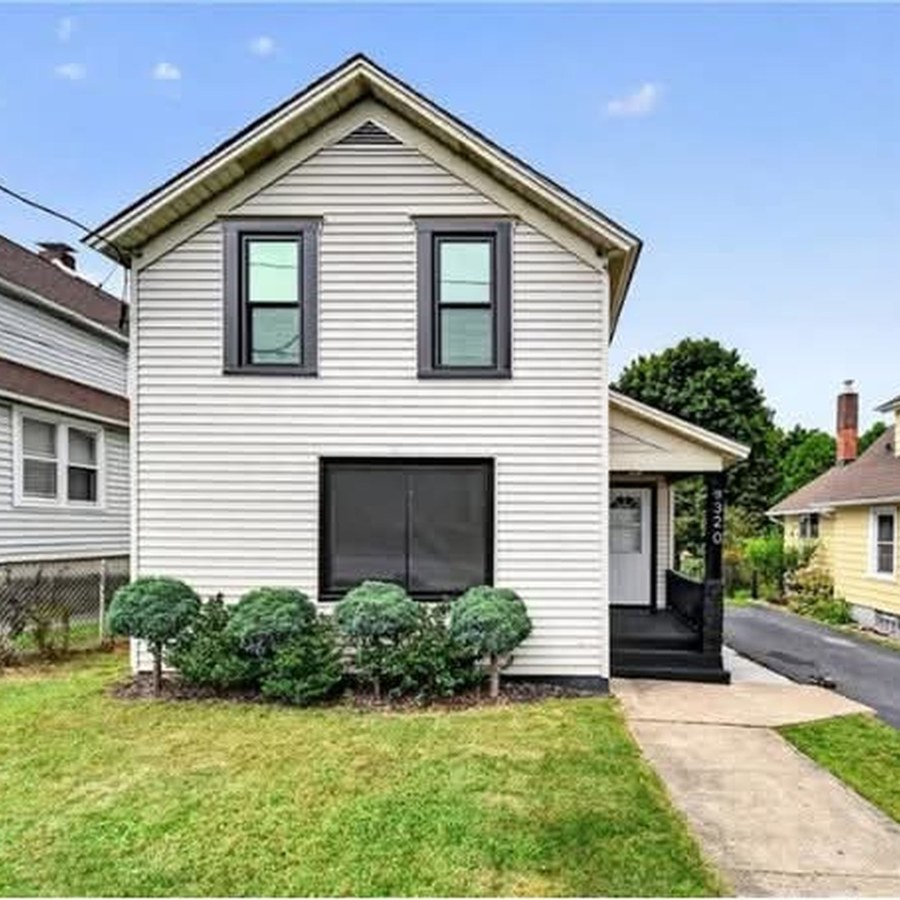
An older Central New York home can offer the layout, setting and details you want, while still leaving important questions unanswered at the first showing. Use that visit to decide what deserves a closer look—not to decide that a roof, furnace or foundation has passed inspection.
Whether you are touring in Syracuse, Solvay, Manlius or another nearby community, separate three things: what you can see, what the seller can document, and what a qualified professional needs to assess. A recently painted room, for example, tells you little about the age of the wiring behind its walls.
Ask what was changed, not simply whether the home was updated
“Updated” can describe anything from new cabinet hardware to extensive work. Ask which components changed, approximately when, and whether invoices, warranties, permits or other records are available. Keep the description specific: replacing a furnace is different from improving insulation, and remodeling a bathroom does not establish that all of the home’s plumbing was replaced.
Records can help a buyer ask better questions, but they do not guarantee present condition. Give relevant documents to the inspector and other advisers rather than treating a receipt as a substitute for assessment.
Look at the basement as usable space with questions to answer
At a showing, notice whether you can see the foundation walls, whether stored belongings restrict access, and how the owner uses the space. Ask about any history of water entry, drainage work or repairs. Do not diagnose a stain, crack or odor from a brief visit, and do not assume a dry showing means moisture has never been a concern.
If the basement is marketed as finished space, ask your advisers what records support the use and how it is represented in the property information. An attractive room does not by itself resolve building, safety or measurement questions.
Plan the inspection scope before you need the answer
When selecting an inspector, ask about their licensing, what the inspection includes, what access is needed, what the report will address and which services would be separate.
A general home inspection is not automatically every test a property may warrant. Discuss potential follow-up with the inspector: for example, a specialist evaluation of an observed concern or separate testing where appropriate. Coordinate those decisions with your transaction advisers and the actual contract deadlines; a showing appointment does not establish inspection rights.
Keep radon and lead questions specific
You cannot establish radon levels by looking around a basement. The New York State Department of Health provides radon testing guidance. If the seller has a report, ask about its date, test location and circumstances, and discuss whether a current test is appropriate. Our guide to an existing CNY radon report explains the questions to bring to that conversation.
For a home built before 1978, review the EPA’s information on lead-based paint disclosures. Do not assume a fresh paint finish resolves the issue or that an ordinary home inspection includes lead testing. Ask the appropriate professionals how the applicable disclosure, evaluation and transaction requirements affect the particular purchase.
Use a short follow-up list after the showing
- Feature you want: what about this house makes it a good fit?
- Question observed: what needs clarification without guessing at a diagnosis?
- Document requested: what records could help explain the work or history?
- Professional next step: who should assess the unresolved issue?
- Timing: when does the actual transaction require an answer?
This helps you compare older homes without treating age alone as either a defect or a promise of quality. Two houses built in the same decade can have very different maintenance histories, alterations and unanswered questions.
Contact the Procopio Team or call 315-350-0571 to build a Central New York home shortlist and organize the property questions to bring to your showing and inspection appointments.