


A Central New York home search can look simple when buyers sort by price. The harder question is what the home may cost to own month after month after the offer is accepted.
Property taxes, utility setup, heating type, lot size, water and sewer, age, condition, insurance, and maintenance can all change the real monthly picture. That is why two homes with similar prices can feel very different once a buyer compares the full carrying costs.
Start with taxes, but do not stop there
Annual property taxes are one of the easiest numbers to see on a listing page, but they are not the only ownership-cost number that matters. A buyer should compare the taxes with the home’s size, condition, systems, location, and likely upkeep.
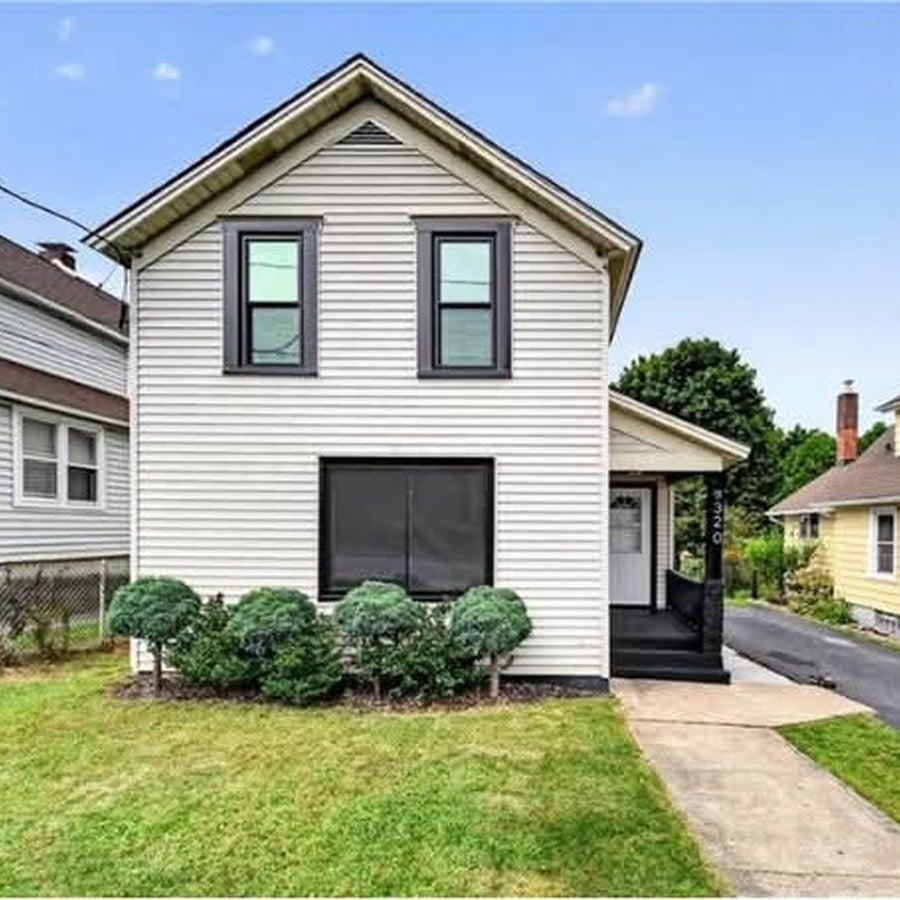
For example, the listing page for 320 6th Street in Geddes/Solvay showed a $149,000 price, 2 bedrooms, 1 bath, 981 square feet, and annual taxes listed at $4,379. Divided by 12, that listed annual tax figure is about $365 per month before any exemptions, escrow requirements, future tax changes, insurance, utilities, or maintenance are considered. The same listing also showed electric baseboard heat, public water and sewer, and a small 0.09-acre lot. That combination asks a buyer to look beyond the lower purchase price and understand electric heat, utility bills, village services, and the smaller-lot maintenance profile.
The listing page for 3223 Amber Road in Onondaga showed 3 bedrooms, 2 baths, 1,390 square feet, 0.57 acres, propane forced-air heat, well water, septic, and annual taxes listed at $4,599, or about $383 per month when divided by 12. That is not a complete payment estimate, but it does help a buyer ask better questions about propane usage, septic age and records, well testing, driveway and yard maintenance, and what the larger lot adds to day-to-day ownership.
The listing page for 137 E Genesee Street in Auburn showed 6 bedrooms, 2 full baths, 2,506 square feet, gas forced-air heat, public water and sewer, and annual taxes listed at $7,722, or about $644 per month when divided by 12. That is a different kind of comparison: more space, a larger six-bedroom layout, more systems and rooms to maintain, and a tax number that should be weighed against the buyer’s actual use of the space.
A useful CNY ownership-cost checklist
When buyers compare Central New York homes, the monthly-cost conversation should usually include:
- annual property taxes and whether exemptions may apply;
- heating fuel, age of major systems, and likely seasonal utility swings;
- public water and sewer versus private well and septic responsibilities;
- roof, foundation, windows, insulation, basement, and drainage condition;
- lot size, snow removal, driveway, trees, exterior work, and outbuildings;
- insurance, flood or location-specific questions, and lender-required escrows.
Sellers can use the same checklist before listing. If taxes, utilities, system updates, maintenance records, or municipal services are likely to come up, clear answers can help buyers understand the home faster and reduce late-stage uncertainty. Buyers should also remember that tax figures in listings are snapshots, not guarantees; exemptions, reassessments, escrow rules, utility usage, insurance quotes, and future municipal changes can all affect the real monthly number.
The best comparison is local and specific
A monthly payment estimate is only a starting point. In CNY, the better move is to compare real homes side by side and ask what the property itself will require after closing. The right answer depends on the buyer’s budget, financing, risk tolerance, commute, lifestyle, and plans for the home.
If you are comparing Central New York homes and want help weighing taxes, utilities, condition, and long-term ownership costs, call the Procopio Team at Hunt Real Estate at 315-350-0571 or contact the team here.