



Preparing Your Central New York Home for W…
Get your Central New York home ready for winter with a practical plan for heating, drainage, plumbin…
What to Ask When Touring an Older Home in …
Touring an older Central New York home? Separate visible features, repair records and inspection que…

10 Fall Things to Do Near Syracuse and Acr…
Looking for fall things to do near Syracuse? Compare 10 Central New York outings, including trails,…
Living in Tully, NY: village, town and property differences
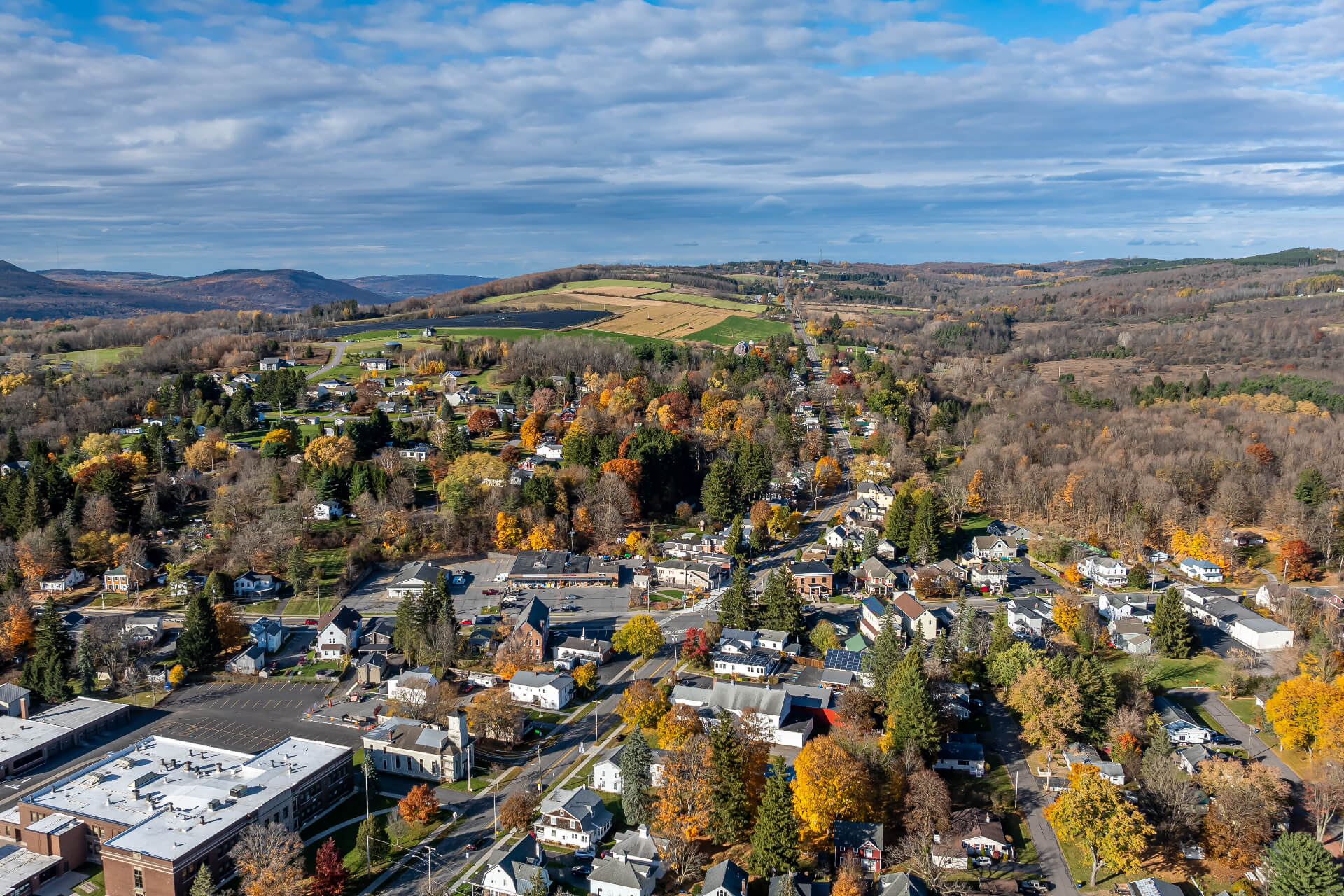
A Tully mailing address is a starting point, not a complete description of a home. Before comparing price, yard space or a lake-area location, find out which municipality governs the parcel and which services actually reach it. Two homes with the same postal place name can raise different ownership questions.
Use the Tully area map and property search on this page to build your shortlist. Then bring the exact addresses to the Procopio Team so your next showing can focus on the differences that matter to you.
Village or town: start with the parcel
Do not treat “Tully” in a listing address as proof that a home is inside the Village of Tully. Confirm the parcel’s municipal jurisdiction using property records and the responsible municipal office. The distinction is practical: it helps you identify the right office for a service question, tax bill or proposed improvement.
The village’s Department of Public Works describes water distribution, wastewater management, village-street care and curbside pickup. Those are descriptions of village operations, not a promise that every Tully-addressed property has those connections. For each home, ask which water and wastewater systems serve it, who bills for them and what maintenance belongs to the owner.
A local ownership detail: fall yard-waste pickup
The village publishes Monday pickup for lawn rakings, yard waste, shrub trimmings and small twigs. Its May–October instructions require those materials to be bagged in clear plastic or biodegradable bags and placed at the curb before 7 a.m.; brush and fall leaves have separate instructions. For a home with a substantial yard, that is worth checking before assuming all cleanup is a private hauling job—or that municipal pickup is included. Confirm service eligibility for the address and read the current pickup rules.
Use the right office for the question
| What you need to establish | Local starting point |
|---|---|
| Village services and curbside instructions | Village DPW, 18 Community Drive; 315-696-5988 |
| Assessment, exemptions and property-record questions | Assessor’s Office, 5833 Meetinghouse Road; 315-696-4693, extension 13 |
| A Village tax bill or amount owed | Village Clerk; 315-696-5041 |
The village’s taxes and assessment page separates these responsibilities and links to county property information. Bring the property address and current bills. Compare the actual bills and applicable charges rather than assuming “outside the village” automatically means a lower total cost.
Compare routes from the driveway, not the town label
On your next visit, start the route at each home’s driveway and travel to the destinations you actually use. Include errands, work and the roads you would take in winter. Record the route and test it at a relevant time of day; a location label or straight-line map distance does not establish a commute time. For a lake-area home, separately confirm any claimed water-access rights. A nearby lake on the map is not proof of deeded access.
Check adopted rules before planning an addition
The town’s 2026 zoning-process update describes proposed code and map changes and a potential September adoption. That notice does not, by itself, establish that adoption occurred. If your plans include an addition, outbuilding or another use, ask the town or village which adopted rules apply to the exact parcel today. A draft map is not permission to build.
Make your Tully shortlist address-specific
For each home, record five things: municipal jurisdiction, water and wastewater arrangements, current property bills, your tested routes, and any unresolved access or improvement questions. This turns a broad village-versus-country preference into a useful showing plan.